What COP30 Taught Us About Where Change Really Comes From
Post-COP reflections from Climate Reframe: where does change really come from?

What COP30 Taught Us About Where Change Really Comes From
As the year comes to a close, we have been reflecting at Climate Reframe on what has shifted and what remains unresolved on the pathway to climate justice. COP30 offered both moments of real movement and familiar reminders of how much pressure is still needed to achieve climate justice.
To ground this reflection, we spoke with climate justice organiser Zamzam Ibrahim, whose work centres frontline communities and movement led change. Her reflections cut through official language and speak directly to where power is actually built.
“The biggest win for climate justice at COP30 was the Belém Action Mechanism. It centres workers, Indigenous peoples, and frontline communities, marking a shift from top down solutions to real, community driven action.”
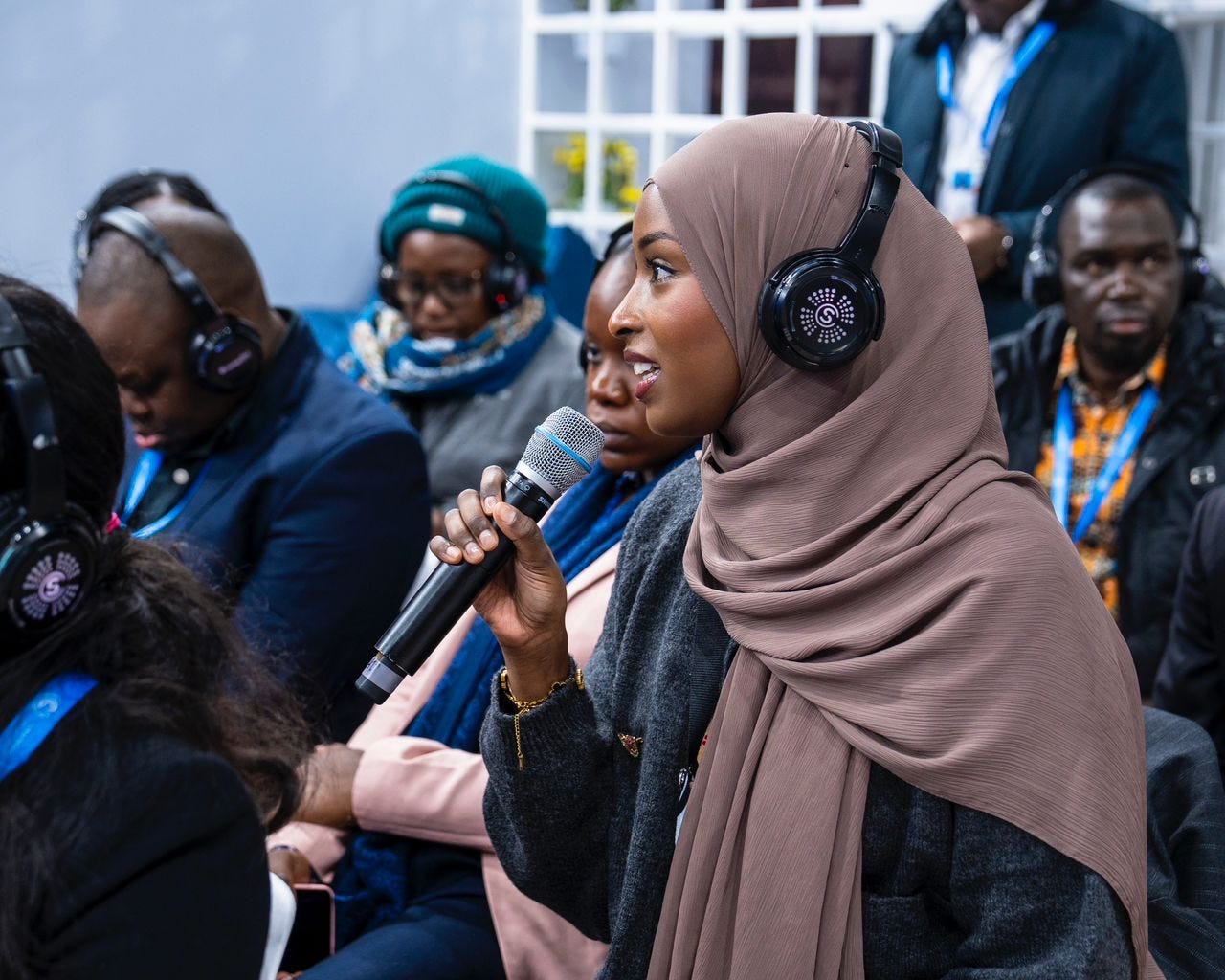
Progress at COPs rarely comes from inside the rooms alone. It comes from people organising and refusing to be sidelined, ZamZam emphasised.
“Now the challenge is turning it into a tool for reparations, energy justice, and systemic change. This felt like an important one for the movement and a reminder of why civil societies need to show up and organise.”
Confronting petro-industries
At the same time, many of the deepest gaps remain unchanged. Zamzam spoke plainly about the continued failure to confront fossil fuels at the scale required.
“The biggest disappointment of COP30 was the continued failure to agree on a binding fossil fuel phase out, alongside climate finance for adaptation once again falling far short of what is needed.”
Instead of addressing root causes, she pointed to a dangerous drift toward delay and deflection.
“COPs are increasingly opening the door to greenwashing, with offsets and carbon markets pushed as solutions that delay real action and shift the burden onto those least responsible. This approach protects polluters while frontline communities continue to pay the price.”
Justice isn’t gifted; it’s fought for
Despite these disappointments, Zamzam was clear about where leverage still lives. Justice at COPs has never been gifted. It has been fought for.
“The outcomes of any COP where justice has won have always come from collective organising and civil society pressure. Looking ahead to 2026, we need to be more coordinated, more united, and louder than ever. Real change does not come without a fight, especially from those most impacted. That is how we win a fossil fuel phase out, debt cancellation, direct access to climate finance, rejection of false solutions, and real just transition policies.”
You can read more about Zamzam and her incredible work here.
When political processes stall, imagination does not
Listening to Zamzam, one thing becomes clear. When political processes stall, imagination does not. This is where culture, artists, and community led practice continue to play a vital role.
Over the past decade, climate work in the cultural sector has grown rapidly. But as it has become more formalised, much of its urgency has been softened. Climate engagement is increasingly filtered through careful language and institutional processes that struggle to meet the scale of the crisis. Meanwhile, the most alive and imaginative work continues to emerge from Indigenous communities, Global South cultural institutions, and artist led networks responding to climate breakdown as a lived reality rather than an abstract problem.
They show what it means to act when policy hesitates.
These practitioners are not only communicating the crisis. They are holding knowledge, experimenting with new forms of care and governance, and keeping memory, land, and community intact under immense pressure. They show what it means to act when policy hesitates.
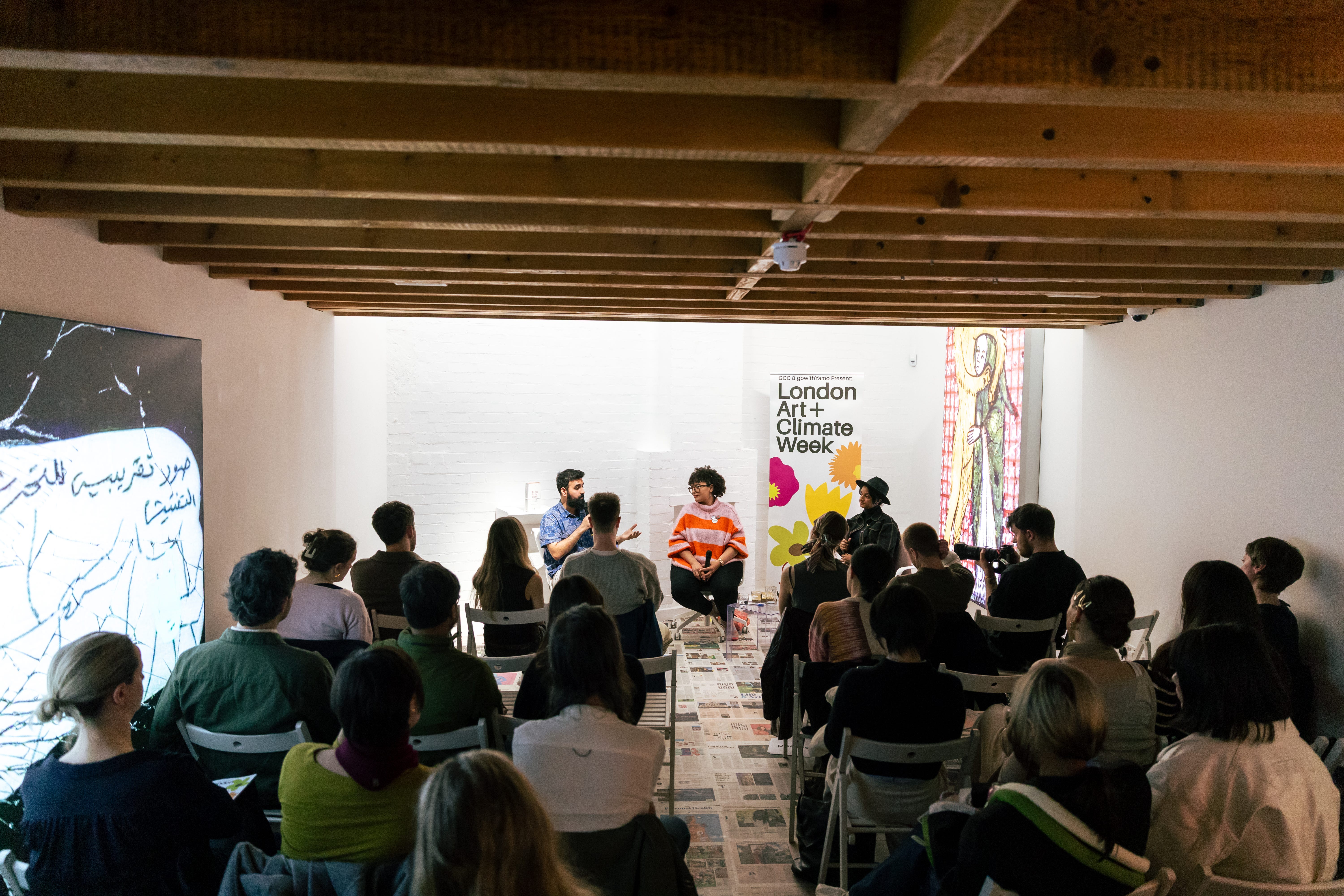
This tension between institutional caution and grassroots imagination was something we felt directly last month, when Climate Reframe was honoured to close the first London Climate Art Week with an intimate gathering, Art for a Climate Changed World, at Mimosa House. Curated by Suzanne Dhaliwal, the evening created space for emotional reflection and collective grounding in the immediate aftermath of COP30.
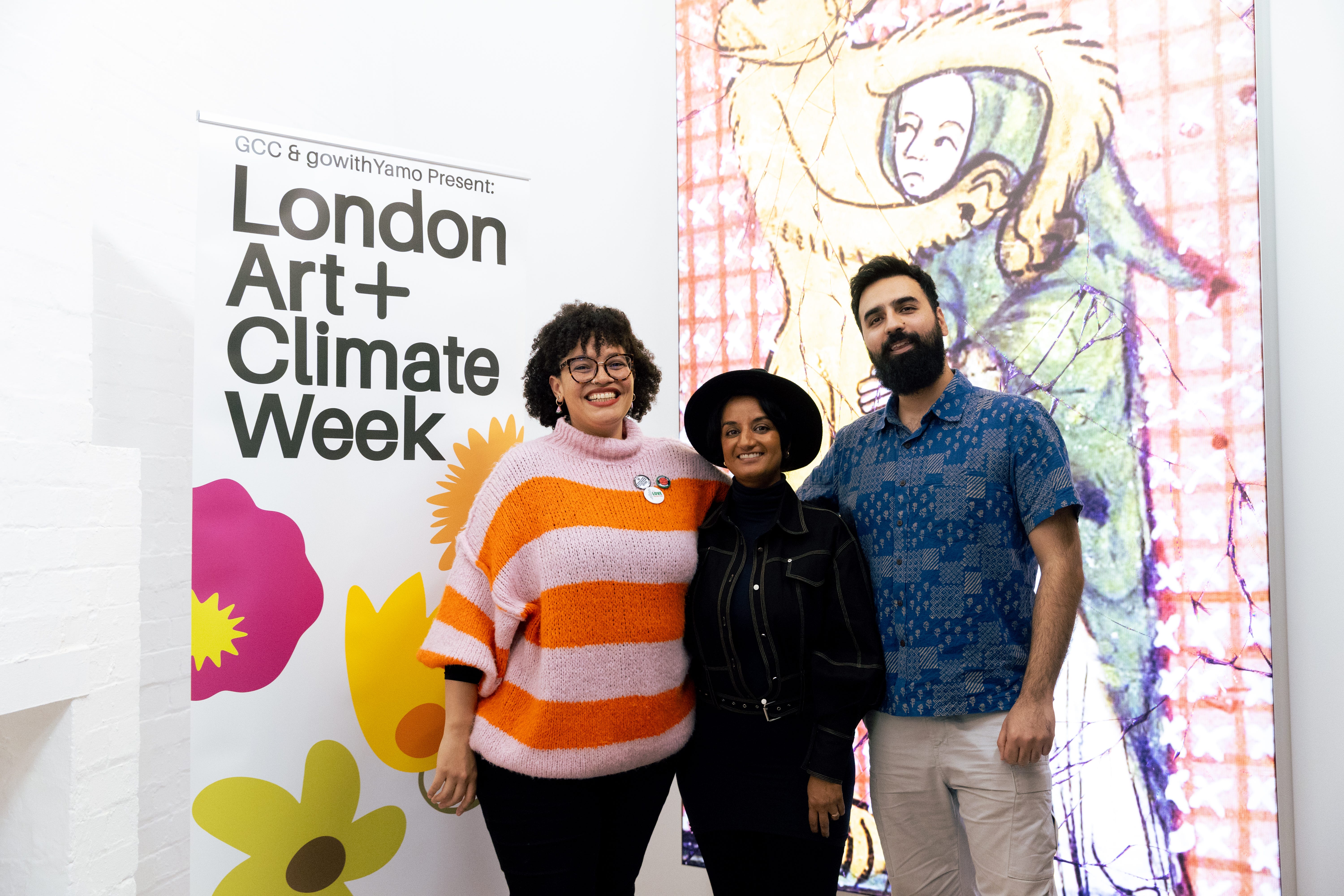
We are deeply grateful to Dr Ama Josephine Budge Johnstone and Syed Jazib Ali for a conversation that was urgent, generous, and rooted in care, pleasure, decolonial imagination, and climate justice. Together, we explored how art, storytelling, traditional ecological knowledge, ancestral wisdom, and speculative imaginaries can shape policy, centre frontline voices, and offer decolonial ways of responding to a climate changed world.
COP30 offered a small but meaningful signal in this direction, with culture and heritage recognised for the first time as part of the official agenda. This affirmed something many artists and organisers already know. Climate action is not only about technology or targets. It is also about identity, history, and how we choose to live together.
As this year ends, Climate Reframe is taking time to pause, reflect, and gather strength. The work ahead will not be easy. Funding is tightening, institutions are cautious, and the gap between what is needed and what is being delivered remains wide. But conversations like this, grounded in lived experience and collective clarity, remind us where real momentum comes from. It comes from people organising, imagining, and refusing to accept solutions that leave the most impacted behind. Thank you for being part of this community. As we move into the new year, we do so connected, and committed to supporting the work that is already pointing toward more just futures.
Words by Suzanne Dhaliwal